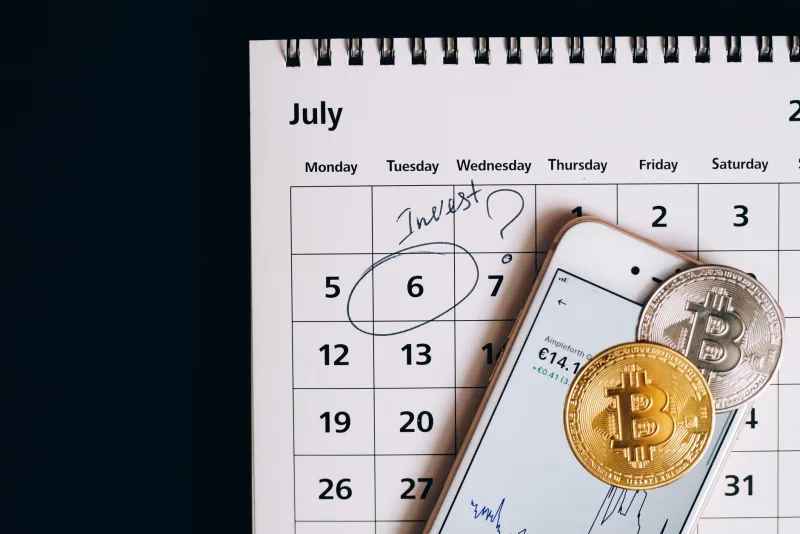
Frozen at the Line: Why Waiting for the Perfect Bet Is Costing You Real Money

There's a version of a loss that never shows up in your records. No red ink, no dent in your bankroll balance, no painful recap the next morning. But it's real, and over time, it compounds just like any other mistake. We're talking about the bet you never made — the opportunity you let slip by while you waited for conditions that never quite lined up.
Most bettors obsess over avoiding bad picks. That's understandable. Losing money hurts. But there's a flip side to that caution that doesn't get nearly enough attention: opportunity cost. In the world of smart play, what you don't do matters just as much as what you do.
The Clock Is Always Running
Lines don't wait for you. Whether you're looking at a spread on an NFL game, a futures market, or live odds shifting in real time, betting windows are time-sensitive by nature. That number you're eyeing at -110 this morning? By kickoff, it might be -130. Or the value might have evaporated entirely after sharp money moved the line.
This is one of the most underappreciated dynamics in betting: line movement is information, and sitting on the fence while lines move against you isn't patience — it's passive loss. You're not saving anything. You're watching value walk out the door.
Serious players understand that timing is a skill, not just a lucky coincidence. Getting to a number early — before the public piles on — is one of the few consistent edges available to everyday bettors. When you freeze up waiting for more certainty, you're often giving away the very thing that made the play worth considering.
The Myth of the Perfect Moment
Here's the trap a lot of bettors fall into: they believe that if they just gather enough information, the right move will become obvious. So they wait. They read another breakdown, check another injury report, watch another segment of sports talk. And while they're doing all that, the window closes.
The perfect moment is mostly fiction. In any kind of betting market — sports, casino, poker — certainty is the one thing you can never fully buy. The best you can do is assess the available information, weigh your expected value, and act when the conditions are favorable. Not perfect. Favorable.
Think about it this way: a surgeon doesn't wait until they're 100% sure the procedure will succeed before picking up the scalpel. They make the best call with the best available information and execute. Bettors who wait for certainty aren't being careful — they're stalling.
When Sitting Out Is Actually the Right Call
Now, to be fair, not every missed bet is a mistake. There's a real difference between strategic patience and paralysis disguised as patience.
Strategic patience looks like this: you've identified that the lines on a particular game are sharp and efficient, there's no clear edge, and the juice doesn't justify the risk. You pass. That's not hesitation — that's discipline. You're not confused or afraid; you're making a conscious, informed decision to wait for a better spot.
Paralysis looks different. You think there's an edge. Your read on the situation feels solid. But something makes you second-guess yourself — maybe it's fear of being wrong, maybe it's the last losing streak still rattling around in your head — and you just... don't act. The game kicks off. The line closes. The outcome happens. And you either watch the pick hit without you or breathe a sigh of relief that you didn't lose — without ever acknowledging that relief isn't the same as making the right call.
One of those is smart. The other is just avoidance wearing a strategic disguise.
Opportunity Cost Has a Real Number
Let's make this concrete. Say you're a bettor who averages about 15 plays a month and you've developed a decent eye for spotting value. If your edge gives you a modest 53% win rate on flat bets and you're playing $50 units, your expected return per bet is positive. Not huge, but real.
Now imagine that hesitation causes you to miss just four plays a month — spots where you identified value but didn't act. That's not just four absent entries in your log. That's four instances where your edge never got to work for you. Over a year, those missed plays add up to a meaningful chunk of unrealized return.
You can't track what you never bet. But that doesn't mean the cost isn't there.
Building the Habit of Acting on Your Read
So how do you fix this? A few practical shifts can make a real difference:
Set a decision window. Give yourself a defined amount of time to evaluate a play — say, 10 minutes. When the clock runs out, you either bet or you pass with a clear reason. No lingering, no revisiting unless something significant changes.
Write down your reasoning before you decide. If you can articulate why you like a play in two or three sentences, that's usually a signal that your read is solid enough to act on. If you can't explain it clearly, that's a legitimate reason to pass.
Separate fear from analysis. Ask yourself honestly: am I hesitating because the numbers don't support this, or because I'm scared of being wrong? Those are very different problems with very different solutions.
Track your near-misses. Keep a log of plays you considered but passed on, and note the outcome. Over time, you'll start to see whether your hesitation is saving you from bad plays or costing you good ones.
Play Smart Means Playing When It Counts
At Davin888, the whole idea is to play smart and win big — and playing smart doesn't mean playing scared. It means developing the judgment to know when to act and actually following through when the conditions are right.
The bettors who grow their bankrolls over time aren't necessarily the ones who never make bad picks. They're the ones who show up consistently, act on their edge when they see it, and don't let the fear of imperfection keep them frozen on the sideline.
The bet you never made can't win. But it can absolutely cost you.